How to Acclimatize to Altitude Before Machu Picchu

Give your body two to three days at elevation before any trek, keep the first day light, and drink water constantly. That simple rhythm is the best defense against altitude sickness in Cusco, where the thin air catches many visitors off guard within hours of landing.
Most travelers fly from Lima straight into Cusco, jumping from sea level to 3,399 m in under two hours. The city sits well above the point where the body starts to struggle, so understanding how to acclimatize before Machu Picchu is the difference between a miserable first day and a strong, memorable trip.
Why Does Cusco's Elevation Affect Visitors So Quickly?
Cusco sits at 3,399 m (11,152 ft), nearly 900 m above the 2,500 m level where acute mountain sickness, or AMS, typically begins (AAFP, 2010). At that height the air holds far less oxygen, so your body has to work harder with every breath from the moment you land.
The speed of the ascent is what makes Cusco tricky. Flying from Lima drops you at high altitude with no gradual climb, which gives your lungs and blood no time to adjust. Symptoms often appear within 6 to 12 hours: a dull headache, light nausea, poor sleep, and breathlessness on stairs.
How common is this? Depending on ascent rate and individual susceptibility, between 25 and 85 percent of travelers experience AMS, with the highest rates among people who fly directly to high elevations (AAFP, 2010). That wide range is good news: the slower and smarter your arrival, the lower your odds.
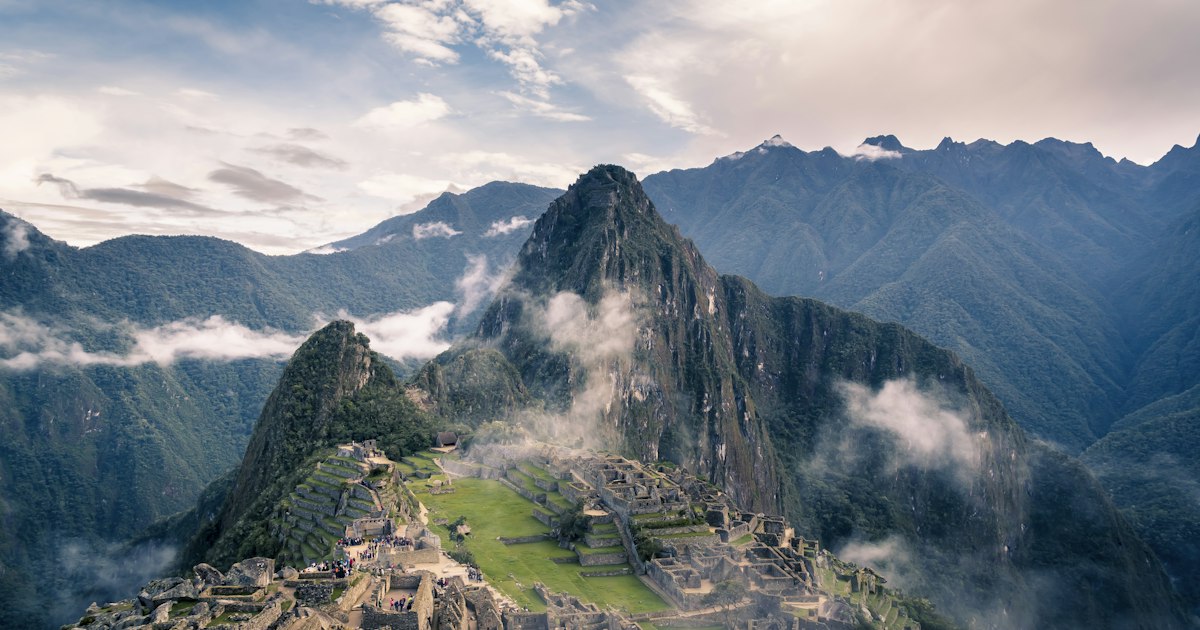
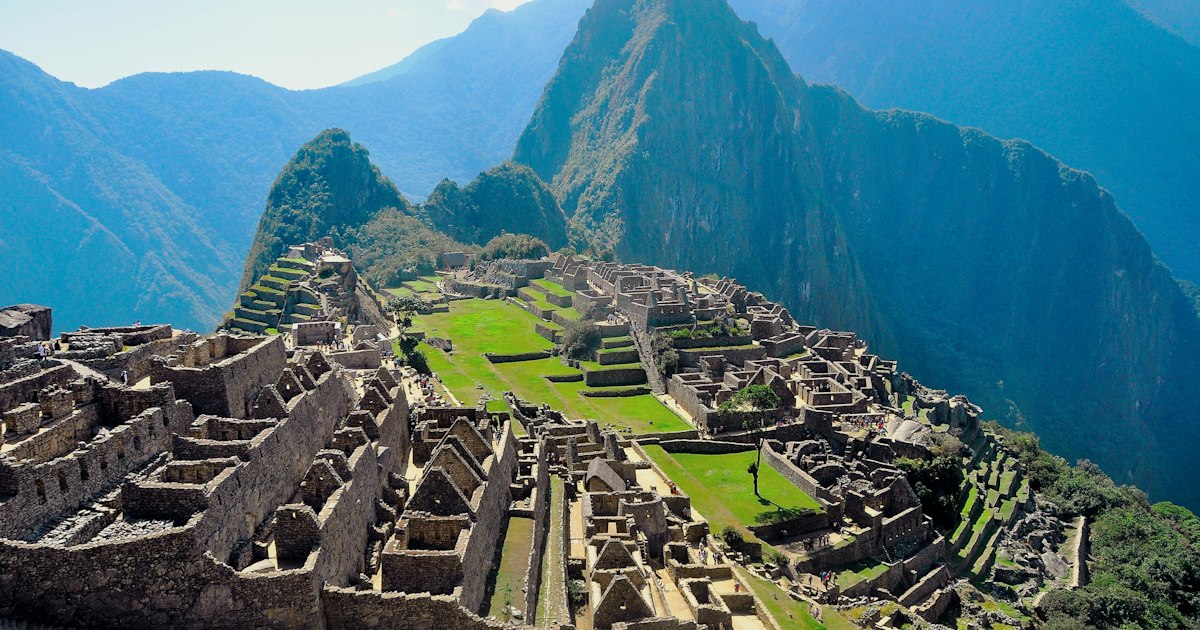
There is a reassuring detail many visitors miss. Machu Picchu itself sits at 2,430 m, roughly 1,000 m lower than Cusco (Wikipedia, retrieved 2026-10-20). The citadel is actually below the usual AMS threshold, so the hard part is adjusting to Cusco, not standing among the ruins.
What Is the Recommended Acclimatization Timeline?
Plan two to three full days at elevation before any demanding trek, and keep your first day deliberately slow. Above 3,000 m, health authorities advise sleeping no more than 300 to 600 m higher each night, with an extra rest day for roughly every 1,000 m of altitude gained (AAFP, 2010).
Because flying into Cusco skips that gradual climb, your acclimatization has to happen once you arrive. A practical sequence looks like this:
- Day 1: Arrive, rest, walk slowly around the city center, and avoid alcohol and heavy meals.
- Day 2: Take a gentle sightseeing day at low intensity, such as nearby ruins or a short valley tour.
- Day 3: Add a moderate hike or a higher day trip, then assess how you feel before committing to a trek.
A smart alternative is to sleep lower than Cusco. The Sacred Valley towns of Ollantaytambo and Urubamba sit near 2,850 to 2,870 m, several hundred meters below the city. Many seasoned travelers head straight to the valley on arrival, acclimatize in that gentler air, then return to Cusco or push on to Machu Picchu. It is one of the most effective and underused acclimatization moves in the region.
Which Natural Remedies and Hydration Tips Actually Help?
Steady hydration and rest do more than any single remedy, and coca tea is the traditional Andean companion to both. The dry mountain air pulls moisture from your body fast, so drinking water throughout the day helps counter the headaches and fatigue that come with thin air.
Coca tea, known locally as mate de coca, is served in nearly every hotel lobby and cafe in Cusco. Sipping it is a long-standing custom that many visitors find soothing for mild headaches and low energy. Treat it as comfort and ritual rather than medicine: it can ease the edge off minor symptoms, but it does not prevent serious altitude illness or replace proper acclimatization.
A few habits that genuinely lighten the load:
- Drink water consistently, aiming for more than you would at home.
- Skip alcohol and limit caffeine for the first day or two.
- Eat light, carbohydrate-rich meals rather than heavy dishes.
- Walk slowly and pause often, especially on Cusco's steep streets.
Some travelers also ask their doctor about acetazolamide, a prescription medicine used to speed acclimatization. Current medical guidance lists a preventive dose of 125 mg twice daily, lower than the amounts recommended in the past (AAFP, 2010). That decision belongs with your physician before you travel, not with a lobby brochure.
What Are the Signs of Altitude Sickness, and When Should You Seek Help?
Mild acute mountain sickness feels like a hangover: headache, nausea, dizziness, fatigue, and broken sleep. These symptoms usually ease with rest, fluids, and a day without climbing higher. If they improve, you are acclimatizing normally and can continue carefully.
The warning signs that demand action are different. Stop ascending and seek medical help if you notice any of these:
- A headache that will not clear with rest or pain relief.
- Repeated vomiting or an inability to keep fluids down.
- Breathlessness while resting, not just while walking.
- Confusion, clumsiness, or trouble walking in a straight line.
- A persistent cough or gurgling breath.
These can point to high-altitude cerebral or pulmonary edema, which are rare but serious. The single most effective treatment is descent to a lower elevation, and Cusco has clinics and oxygen services accustomed to treating altitude illness. Never push through severe symptoms to reach a trek start time.
How Perutrippers Builds Acclimatization Into Your Itinerary
Good tour planning treats acclimatization as part of the route, not an afterthought. At Perutrippers, our Peru itineraries are sequenced so your body adjusts before the most demanding days, which is exactly what the medical guidance above recommends.
In practice, that means we often route arriving travelers into the lower Sacred Valley first, letting you sleep closer to 2,850 m before taking on Cusco or a trek. We schedule gentle sightseeing on early days, keep the first day light, and save higher-altitude hikes and the Inca Trail for after you have settled in.
Because every traveler adjusts at a different pace, our guides watch for symptoms and adjust the day's effort when needed. If you want help matching the right trip to your comfort level and fitness, our guide to choosing the right Machu Picchu tour package walks through the options and how acclimatization days fit each one.
The payoff is simple. When altitude is built into the plan, you spend your Machu Picchu morning taking photos and climbing terraces, not nursing a headache in your hotel room. Start by choosing an itinerary with at least two acclimatization days before any trek, and build the rest of your trip around that foundation.
Frequently asked questions
Is altitude sickness common in Cusco?
Yes. Cusco sits at 3,399 m, above the 2,500 m level where acute mountain sickness begins. Depending on how fast you arrive, 25 to 85 percent of travelers report symptoms, so acclimatization matters (AAFP, 2010).
How many days do I need to acclimatize before Machu Picchu?
Plan two to three full days in Cusco or the lower Sacred Valley before any demanding trek. This gives your body time to adjust while you keep activity light on the first day.
Does coca tea help with altitude sickness?
Coca tea is a traditional Andean remedy that many travelers find eases mild headaches and fatigue. It is not a substitute for proper acclimatization, rest, and hydration, and it does not prevent serious illness.
Is Machu Picchu higher than Cusco?
No. Machu Picchu sits at 2,430 m, nearly 1,000 m lower than Cusco at 3,399 m. If you handle Cusco comfortably, the citadel itself is usually easier on your body.
When should I see a doctor for altitude sickness?
Seek medical help if a headache will not clear, you vomit repeatedly, feel breathless at rest, become confused, or lose coordination. These can signal severe altitude illness that requires descent and treatment.