How to Get to Machu Picchu: Every Route Explained

There is no road straight to Machu Picchu, so every visitor arrives by one of four routes: the train via Ollantaytambo, a multi-day trek, the budget Hidroelectrica van and walk, or a combination that ends with the bus from Aguas Calientes. Which one suits you comes down to your time, budget, and fitness. This guide walks through each option so you can book with confidence.
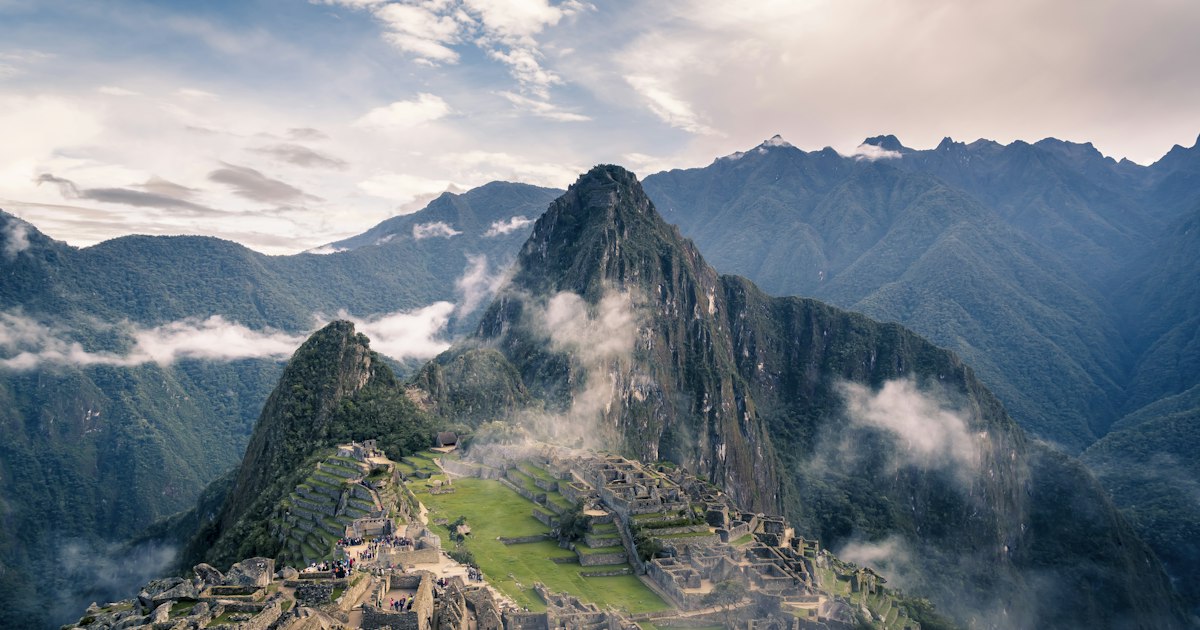
The citadel sits at 2,430 m (7,972 ft) in the cloud forest above the Urubamba River, and it was named a UNESCO World Heritage Site in 1983 (UNESCO World Heritage Centre, 1983). Getting there is part of the experience, whether you roll in on a panoramic train or finish a four-day hike at the Sun Gate.
What Is the Classic Train Route via Ollantaytambo?
The train from Ollantaytambo to Aguas Calientes is the standard way to reach Machu Picchu, and it is the choice of most visitors who are short on time. Trains climb down the Sacred Valley beside the Urubamba River in roughly 90 minutes to two hours, delivering you to the town at the base of the mountain.
Ollantaytambo is about a two-hour drive from Cusco through the Sacred Valley, so a typical day starts with a transfer, then the train, then the bus up. Two operators run the line, and both offer glass-roofed carriages that frame the gorge and peaks. Seats sell out in high season, so book several weeks ahead.
Aguas Calientes, also called Machu Picchu Pueblo, is the last stop. From here nobody drives to the ruins. You either take the switchback bus or walk up on foot, which we cover below. If you want to understand what a tight schedule looks like end to end, our guide on whether one day at the ruins is enough lays out the timing.
Which Treks Lead to Machu Picchu?
Two famous treks finish at Machu Picchu: the Inca Trail and the Salkantay. The classic Inca Trail covers 43 km (26 miles) over four days and crosses Dead Woman's Pass at 4,215 m before descending to the Sun Gate. It is the only route that enters the site through the original stone gateway on foot.
The Inca Trail is strictly regulated. Peru caps the trail at 500 people per day, and that figure includes guides and porters, which leaves roughly 200 spots for trekkers (Peru.travel, 2026). Permits often sell out months in advance, and you cannot walk it independently. You must book through a licensed operator with a guide.
The Salkantay Trek is the main alternative. It runs about 74 km over five days and climbs higher, crossing the Salkantay Pass at roughly 4,630 m. It needs no special trail permit, so it books up far less aggressively, and many hikers find the mountain scenery wilder. Which trek fits you depends on permit timing, budget, and how much altitude you want to tackle. Our comparison of the Inca Trail versus the Salkantay Trek breaks down the trade-offs in detail.
Both treks reach serious altitude, so spend a few days in Cusco or the Sacred Valley first. Arriving straight from sea level and hiking a 4,000 m pass is how people get sick.
Is the Hidroelectrica Route Worth It?
The Hidroelectrica route is the budget way to reach Machu Picchu, and it swaps the expensive train for a long van ride plus a flat walk. Travelers take a shared minivan from Cusco to the Hidroelectrica station, a drive of roughly six to seven hours, then walk about 10 km (6.2 miles) into Aguas Calientes.
The walk follows the railway tracks and is mostly flat, taking around two to three hours at an easy pace. It is scenic, passing through cloud forest with glimpses of the citadel high above. You do not need a guide or a permit for this stretch, only your timed entrance ticket for the next day.
The appeal is price. Cutting the train fare drops the cost of reaching the ruins dramatically, which is why backpackers favor this option. The trade-off is time: the journey eats most of a day in each direction, so plan at least one night in Aguas Calientes. If you are weighing cost against comfort across your whole trip, it helps to pin down when you are going first, since the rainy season makes the tracks walk muddy and slow.
How Do You Get From Aguas Calientes Up to the Citadel?
From Aguas Calientes you reach the entrance by bus or on foot, because the citadel sits about 400 m higher up a steep switchback road. The Consettur bus is the fast option, costing about $12 USD one way or $24 round trip for foreign adults in 2026, with a ride of roughly 25 to 30 minutes (Consettur, 2026).
Buses run frequently from early morning, but queues form before dawn when everyone wants to be at the gate for opening. Buy bus tickets in advance in town or online to skip the ticket line, though you still wait in the boarding line.
The free alternative is to walk up. A steep trail of stone steps climbs from the valley floor to the entrance in roughly 1.5 hours, and it is a genuine workout at altitude. Plenty of fit travelers walk up to save money or avoid the crowd, then take the bus back down. Whichever you choose, you must hold a valid timed entrance ticket before you arrive at the gate, as tickets are not sold on site.
How to Get to Machu Picchu Based on Your Time, Budget, and Fitness
The best way to get to Machu Picchu depends on three things: how many days you have, how much you want to spend, and how much walking you enjoy. Short on time and happy to pay for comfort? Take the train from Ollantaytambo and the bus up. It is the quickest and least strenuous path to the ruins.
Here is a quick way to match yourself to a route:
- Limited time, comfort first: Train via Ollantaytambo plus the Consettur bus. One long day is possible, though an overnight is calmer.
- You came for the hike: The classic Inca Trail if you can secure a permit early, or the Salkantay Trek if permits are gone or you want a wilder, permit-free climb.
- Tight budget, time to spare: The Hidroelectrica van and walk, with a night in Aguas Calientes.
- Worried about altitude: Favor the train, acclimatize in Cusco first, and consider the bus rather than the walk up.
Families and older travelers usually lean toward the train and bus, while hikers chasing the journey pick a trek. There is no single best route, only the one that matches your trip. A good operator can combine these pieces, and Perutrippers builds packages that handle the transfers, train tickets, entrance passes, and guides so you are not stitching the logistics together yourself. If you want help matching a route to your dates and group, our guide on choosing the right tour package is a practical starting point.
Start by locking in your travel dates and your entrance ticket, since both the Inca Trail permit and peak-season trains run out well before the citadel does. Once those are set, the rest of the route falls into place.
Frequently asked questions
What is the easiest way to get to Machu Picchu?
The easiest route is the train from Ollantaytambo to Aguas Calientes, followed by a short bus ride up the switchback road to the citadel entrance. It needs no hiking and takes a few hours door to door.
Do you need a permit to reach Machu Picchu?
You need a timed entrance ticket for the citadel itself, and a separate permit only if you hike the classic Inca Trail. The train, Hidroelectrica, and Salkantay routes require the entrance ticket but no trail permit.
How much does the bus from Aguas Calientes to Machu Picchu cost?
The Consettur bus costs about $12 USD one way or $24 round trip for foreign adults in 2026, and the ride up the switchback road takes roughly 25 to 30 minutes.
Can you get to Machu Picchu cheaply?
Yes. The Hidroelectrica route uses a shared van from Cusco and a flat 10 km walk into Aguas Calientes, cutting out the expensive train. It takes most of a day each way but costs a fraction of the train fare.
How long is the Inca Trail to Machu Picchu?
The classic Inca Trail runs 43 km (26 miles) over 4 days, topping out at Dead Woman's Pass at 4,215 m before descending to the Sun Gate above the citadel.