Machu Picchu Day Trip: Is One Day Enough?

One day is enough to stand inside Machu Picchu and walk its main circuit, but it leaves no room for error. A Machu Picchu day trip packs a pre-dawn train, a shuttle bus up the mountain and a strictly timed visit into a single window, so the real question is whether that pace matches what you want from the citadel.
This guide breaks down exactly what a single day includes, when the trains run, how much time you get at the ruins, and when it makes more sense to stay overnight.
What Does a Machu Picchu Day Trip Include?
A standard Machu Picchu day trip covers round-trip rail from the Sacred Valley to Aguas Calientes, the shuttle bus up to the citadel gate, your timed entry ticket, and the return journey the same afternoon. Machu Picchu sits at 2,430 meters and was inscribed as a UNESCO World Heritage Site in 1983 (UNESCO World Heritage Centre).
The day usually starts before sunrise. You board an early train, ride roughly 90 minutes through the valley, then take a 25-minute bus from Aguas Calientes up the switchback road to the entrance. Guided day tours add a licensed guide who walks you through your assigned circuit.
Peru Trippers runs these one-day excursions with pre-booked train seats and citadel tickets, which removes the two bookings most likely to sell out. That matters more than it sounds, because the citadel and the trains both have hard capacity limits.
When Do Trains Leave From Cusco and Ollantaytambo?
Most day trips start in Ollantaytambo, where the fastest trains reach Aguas Calientes in about 1 hour 21 minutes, with a typical range of 90 minutes to just under two hours (Rome2Rio). Two licensed operators, PeruRail and Inca Rail, run the route.
Departures from Ollantaytambo begin around 6:10 AM, which is why the town works well as a launch point. Service runs through the day, with the last trains leaving in the evening. Cusco has limited direct rail, so most itineraries drive you from Cusco to Ollantaytambo first, a road transfer of roughly 1 hour 45 minutes.
Here is the practical takeaway. If you base yourself in Cusco, your day effectively starts around 4:00 AM to allow for the road transfer, the train, and the bus. Starting from Ollantaytambo or somewhere in the Sacred Valley shaves hours off that.
Trains leave on time and do not wait, so plan to reach the station about 40 minutes early.
How Much Time Do You Actually Get at the Citadel?
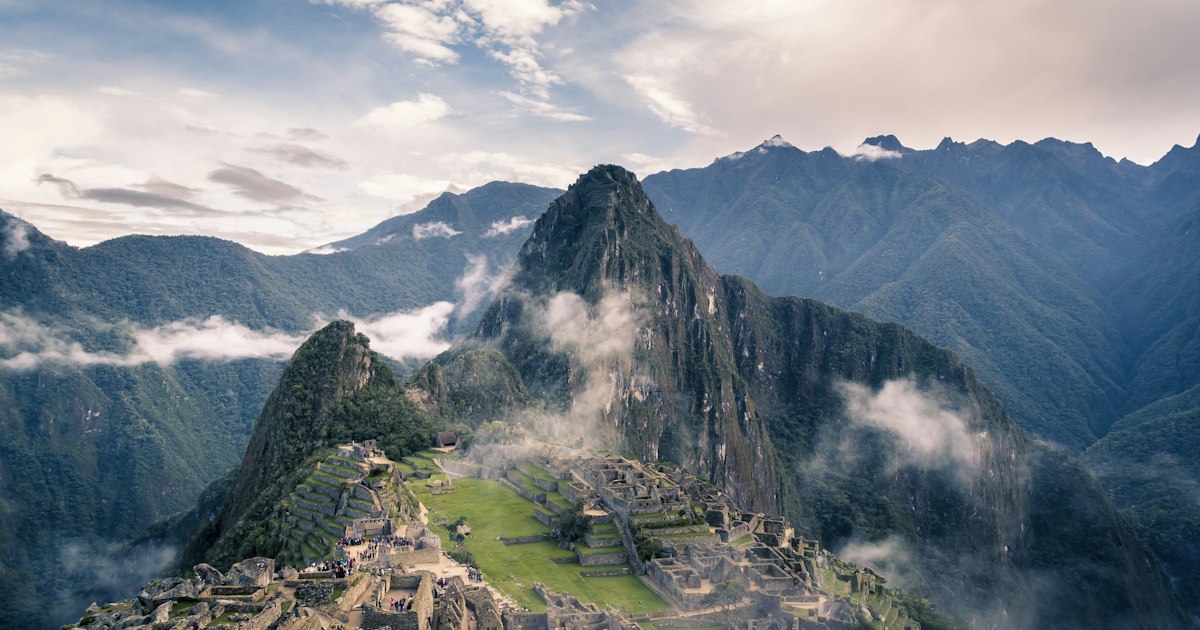
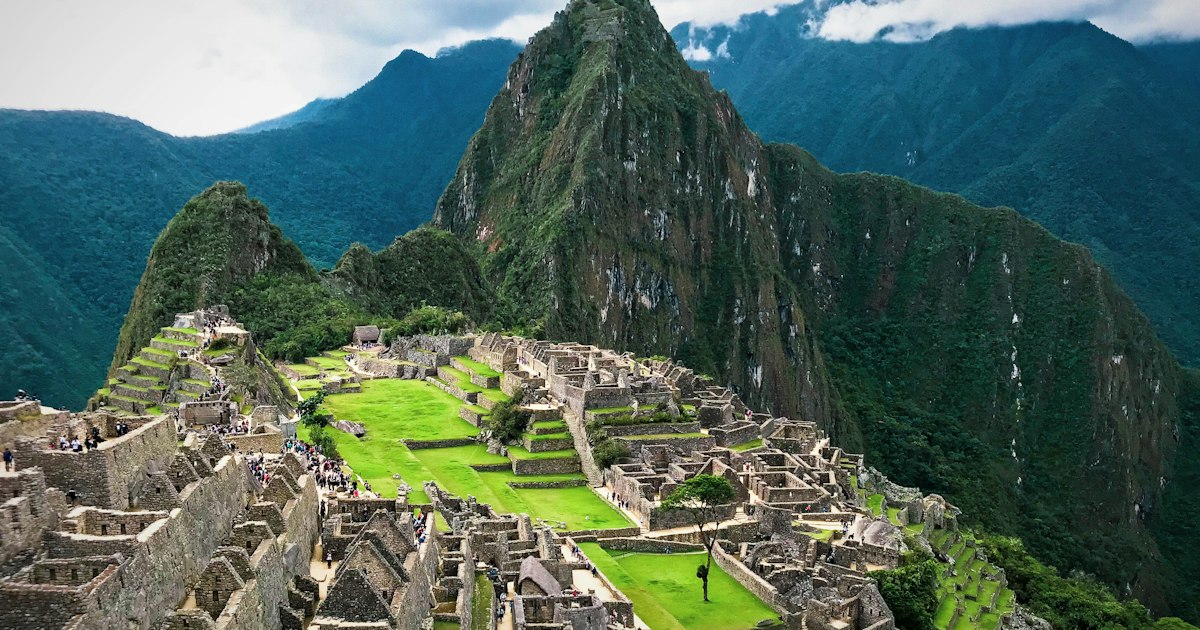
Peru's Ministry of Culture caps each visit at a maximum of four hours per circuit, and once you exit you cannot re-enter on the same ticket. Entry runs in hourly time slots, and your ticket assigns you to one of three main circuits, Panoramico, Clasico or Realeza, with a set route you are expected to follow.
Four hours sounds generous, and for the main circuit it is workable. You can see the classic postcard viewpoint, walk the terraces and photograph the main temples at a steady pace. What four hours does not comfortably allow is a slow, wandering visit plus a mountain hike like Huayna Picchu on top.
Because the route is one-directional, backtracking to a spot you rushed past is not really an option. A single day gives you one clean pass through the ruins. If that pass lands in good light and clear weather, it is memorable. If clouds roll in during your window, you do not get a second try that day.
Daily Visitor Caps and Why Early Booking Matters
Machu Picchu operates under firm daily visitor limits: 5,600 people per day in peak season and 4,500 the rest of the year, set under Ministerial Resolution 285-2025-MC. Those caps are split across timed entry slots, and the earliest 6:00 AM windows disappear first.
In high season the sunrise slots and Huayna Picchu permits can sell out four to five months ahead. For a day trip this is the single biggest planning risk. If you arrive in Cusco hoping to buy a same-week ticket in peak months, you may find only afternoon slots left, which cuts into your tight return-train timing.
The fix is to lock your citadel ticket and train seats together, well before you fly. A packaged day tour handles this sequencing for you. If you are weighing different formats, our guide to choosing the right Machu Picchu tour package walks through the trade-offs.
Day Trip Versus Multi-Day Tour: The Honest Trade-Offs
A day trip wins on efficiency and cost, while a multi-day tour wins on flexibility and depth. Which is right depends on how much time you have in Peru and how much the citadel means to your trip.
The case for one day is straightforward. You keep your base in Cusco or the Sacred Valley, you avoid an extra hotel night in Aguas Calientes, and you still see the main site. For travelers on a packed Peru itinerary, that is often the deciding factor.
The case for more than one day comes down to buffers and extras:
- Weather insurance. Morning cloud is common. A second day gives the light another chance.
- Mountain hikes. Adding Huayna Picchu or Machu Picchu Mountain is far easier when you are not racing a return train.
- Delay protection. If a train runs late, a day-tripper's whole plan wobbles. An overnight stay absorbs it.
- A calmer pace. Staying in Aguas Calientes lets you catch an early bus and enter near opening with fewer crowds.
Altitude is the other quiet factor. Cusco sits higher than Machu Picchu, and arriving fresh off a flight can leave you sluggish for a demanding early start. Spending a day or two in the region to acclimatize before your visit changes how the day feels.
Tips to Make the Most of a One-Day Visit
To get the most from a day trip, treat timing as the whole game: book the earliest entry slot you can, start from the Sacred Valley rather than Cusco, and build in margin around the trains. Small choices here decide whether the day feels rushed or smooth.
A few specifics that help:
- Aim for a morning entry slot. Earlier light is better and the afternoon return train is less stressful when your visit is already done.
- Start from Ollantaytambo or the valley. It trims an early, dark road transfer from your schedule.
- Carry your passport. It must match your ticket exactly, and it is checked at the gate.
- Hire or join a guide for the first hour. The circuit makes far more sense with context, then you can linger on your own within the window.
- Pack light and layer up. Mornings are cool and damp, afternoons warm. Large bags are restricted inside.
- Eat before you enter. Food is limited past the gate, and four hours of walking at altitude goes quickly.
Making the Call on Your Day Trip
If your Peru schedule is tight and your priority is seeing the citadel once, book a morning-entry day trip from the Sacred Valley and let a packaged itinerary handle the train-and-ticket timing. That single decision removes most of what goes wrong on a self-planned day.
Check your available dates against peak-season caps now, before the early slots fill, and reach out to Peru Trippers to match a one-day excursion to your itinerary.
Frequently asked questions
Can you visit Machu Picchu in one day from Cusco?
Yes, but it is a long day. Most travelers transfer to Ollantaytambo first because trains run more frequently from there. Expect to leave very early and return to Cusco late in the evening.
How long do you actually get inside Machu Picchu?
Peru's Ministry of Culture limits each visit to a maximum of four hours per assigned circuit. Once you exit the citadel, you cannot re-enter on the same ticket.
Do I need to book Machu Picchu tickets in advance for a day trip?
Yes. Daily entry is capped and the earliest 6:00 AM slots sell out months ahead in peak season. Book your citadel ticket and train seats together, well before you travel.
Is one day at Machu Picchu enough?
For a focused visit, one day covers the main circuit comfortably within the four-hour limit. If you want Huayna Picchu, sunrise, or a delay buffer, add a night in Aguas Calientes.