Lake Titicaca and the Uros Floating Islands Guide

The Uros floating islands are a cluster of hand-built reed platforms on Lake Titicaca, home to an Indigenous community that has lived on the water for generations. If you're planning a visit, you can reach them by boat from Puno in about 25 minutes, then continue to the solid islands of Taquile and Amantani for day trips or an overnight stay. This guide covers how the islands are built, how to get there, and what to expect once you arrive.
Lake Titicaca straddles the border of Peru and Bolivia, with roughly 60% of the water on the Peruvian side. At 3,812 m (12,507 ft), it is the highest navigable lake in the world, according to Peru's official tourism board (peru.travel). That altitude shapes everything about a visit, from how you breathe to how you pack.
How Are the Uros Floating Islands Built and Maintained?
The Uros floating islands are made entirely from totora, a thick reed that grows in the shallows of Lake Titicaca. Families harvest the reeds, bundle the dense root blocks as a floating foundation, then layer cut stalks on top in criss-crossing sheets. The result is a springy surface that feels a little like walking on a mattress.
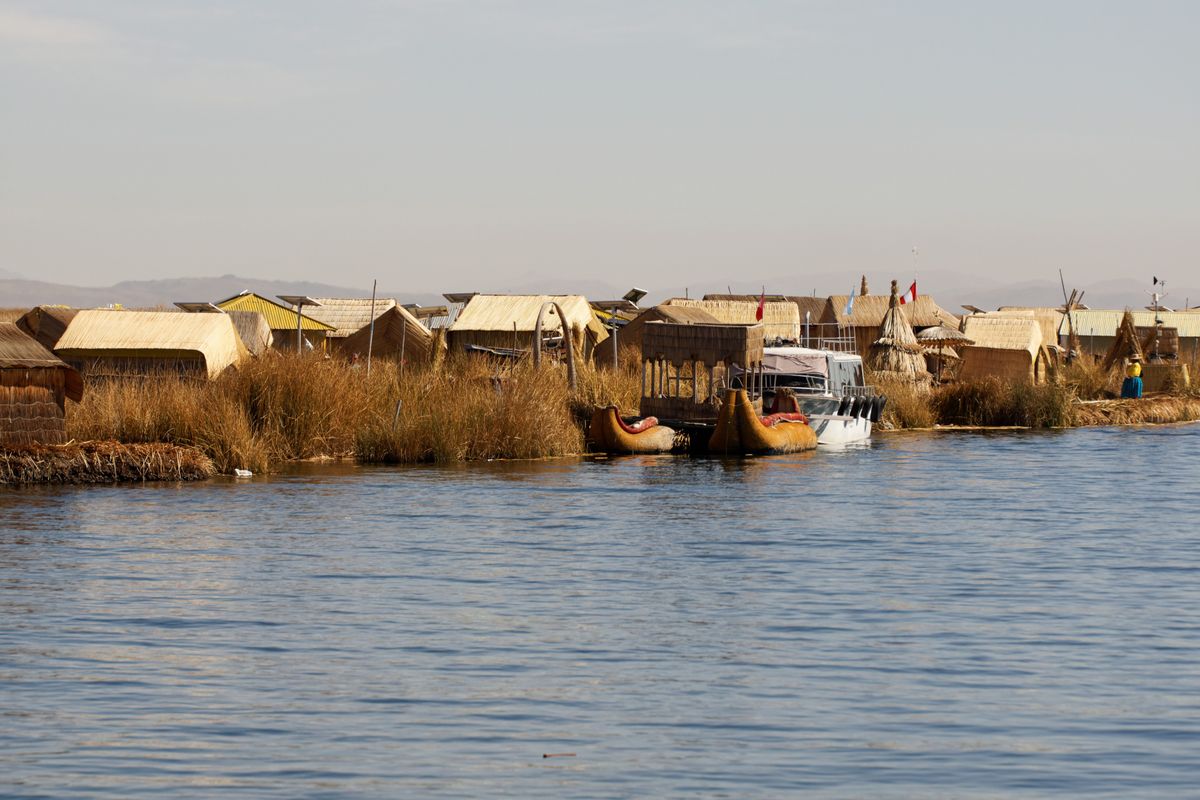
Maintenance never really stops. The reeds at the bottom rot in the water, so new layers go on top every couple of weeks during the wet months. An island can last for decades if the community keeps replenishing it. Homes, boats, and even small watchtowers are built from the same reed, and the famous dragon-headed balsa boats are made by lashing reed bundles together.
Around 90 islands sit in the sheltered bay near Puno, and several hundred Uros people still live on them. Many islands now host visitors during the day and run on solar panels for light and charging. The community balances tourism income with fishing and reed harvesting, the same resources their ancestors relied on.
Visiting Taquile and Amantani Islands
Taquile and Amantani are solid land islands further out on the lake, and they offer a calmer, more traditional counterpoint to the Uros. Taquile is famous for its weaving. Men knit intricate chullo hats while women spin and weave, a tradition recognized by UNESCO in 2008 as Intangible Cultural Heritage of Humanity (peru.info).
On Taquile, a stone path climbs from the dock to a central plaza, passing terraced fields and grazing sheep. The patterns and colors in the textiles carry meaning: a man's hat shows whether he is single or married, and belts record the agricultural calendar. Lunch is usually fresh lake trout served with quinoa soup.
Amantani is quieter still and the usual base for overnight homestays. Two peaks, Pachatata and Pachamama, rise above the village, and a short hike at sunset rewards you with wide views across the water. Both islands sit at high altitude, so walk slowly and give your body time.
How Do You Get to Lake Titicaca From Puno?
Puno is the gateway city for any Lake Titicaca tour, and almost every boat trip departs from its lakeside port. The Uros islands are roughly a 25-minute ride from the dock, which makes them an easy half-day outing. Taquile and Amantani take two to three hours each way, so those trips fill a full day or run overnight.
Puno connects to Cusco by road, by the scenic tourist train, and by bus, with the drive taking around six to seven hours. Juliaca airport, about an hour from Puno, handles flights from Lima. However you arrive, the altitude hits immediately, so build in time to adjust. Our guide on how to acclimatize to altitude before Machu Picchu applies just as well to Puno.
Perutrippers runs guided Lake Titicaca tours that handle the boats, permits, and island logistics, which saves you negotiating at the port on arrival. A guide also translates and explains what you are seeing, which adds a lot on islands where few residents speak English.
What Are Overnight Homestay Experiences Like?
An overnight homestay on Amantani is the most memorable part of many Lake Titicaca tours. A local family hosts you in a simple room, cooks regional meals, and shares daily life. Expect hearty vegetarian food, since meat is scarce on the islands, and a warm welcome rather than a polished hotel experience.
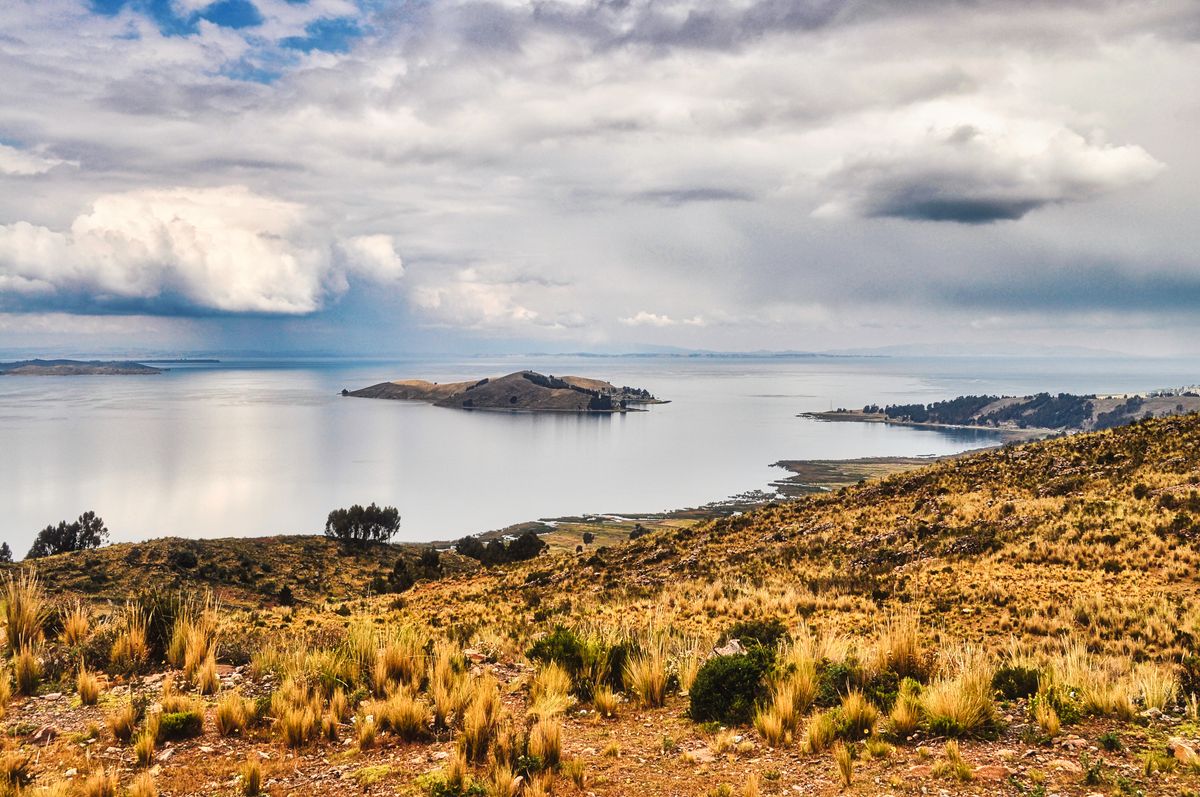
Evenings often include a shared meal and a community gathering where hosts lend guests traditional clothing. Rooms are basic and nights are cold, sometimes near freezing, so warm layers and a good sleeping bag liner help. Electricity can be limited, and hot water is rare, so charge devices in Puno beforehand.
Small gifts for your host family are appreciated. Fresh fruit, rice, or school supplies travel well and are hard to buy on the island. A homestay puts money directly into the community and gives you a window into highland life that a day trip cannot match.
Best Things to Do Around the Highest Navigable Lake
Beyond the floating islands, Lake Titicaca rewards slow travel. Watch the sunrise over the water, join a reed-boat ride with an Uros family, or hike the terraced hills of Taquile. Birdwatchers can spot grebes and ibis in the reed beds, and the night skies at this altitude are exceptionally clear.
On the Puno side, the Sillustani burial towers sit on a peninsula over Lake Umayo, an easy add-on before or after your boat trip. Food lovers should try trout, quinoa, and the local potato dishes that thrive at altitude. Markets in Puno sell the alpaca knitwear and Taquile textiles the region is known for.
Timing matters. The dry season from May to October brings clear skies and calmer water, while the wet months can cloud the views. Nights are cold at this altitude in any season, so pack warm layers before you book.
Planning Your Trip
The simplest way to see Lake Titicaca is a two-day tour: a morning at the Uros floating islands, lunch and weaving demonstrations on Taquile, and a night with a host family on Amantani. That pace lets the altitude settle and gives you time on both the reed islands and the solid ones. Start by picking your travel month, then build a Puno stop into a wider Peru itinerary that already includes Cusco and Machu Picchu.
Frequently asked questions
Are the Uros floating islands worth visiting?
Yes, for most travelers. The islands are a genuine living community built on totora reeds, not a stage set. A half-day trip pairs well with Taquile, and an overnight homestay adds real depth.
How high is Lake Titicaca and will I feel the altitude?
Lake Titicaca sits at 3,812 m (12,507 ft). Many visitors feel short of breath or get a headache on arrival, so acclimatize in Cusco or Puno for a day or two and drink plenty of water.
How do I get to Lake Titicaca from Puno?
Boats leave from Puno's main port throughout the morning. The Uros islands are roughly 25 minutes out, Taquile is about two to three hours, and Amantani is a similar distance for overnight stays.
Can you stay overnight on the islands?
Yes. Amantani is the usual base for homestays, where host families provide a room, home-cooked meals, and often a local meal and gathering in the evening. Bring warm layers and small gifts.
What is the best time to visit Lake Titicaca?
The dry season from May to October brings clear skies and calmer water, ideal for boat trips and island views. Nights are cold year-round, so pack warm clothing whatever the month.