Lima Food Guide: What to Eat in Peru's Capital
Eat ceviche for lunch, lomo saltado for dinner, and an anticucho skewer from a street grill in between. Those three dishes carry most of what makes Lima one of the most rewarding food cities in the world, and you can try all of them in your first day. This Lima food guide walks through the dishes to prioritise, the neighbourhoods where the eating is best, the markets locals actually use, and the fine-dining scene that keeps pulling global attention.
Lima sits on the Pacific coast, so seafood is fresh and central to the table. It is also a meeting point of Indigenous Andean, Spanish, African, Chinese and Japanese cooking, which is why a single menu can swing from a raw-fish dish to a wok-fired stir-fry. Knowing what to eat in Peru's capital saves you from wasting meals, and there are not many to waste on a short trip.
The must-try dishes this Lima food guide starts with
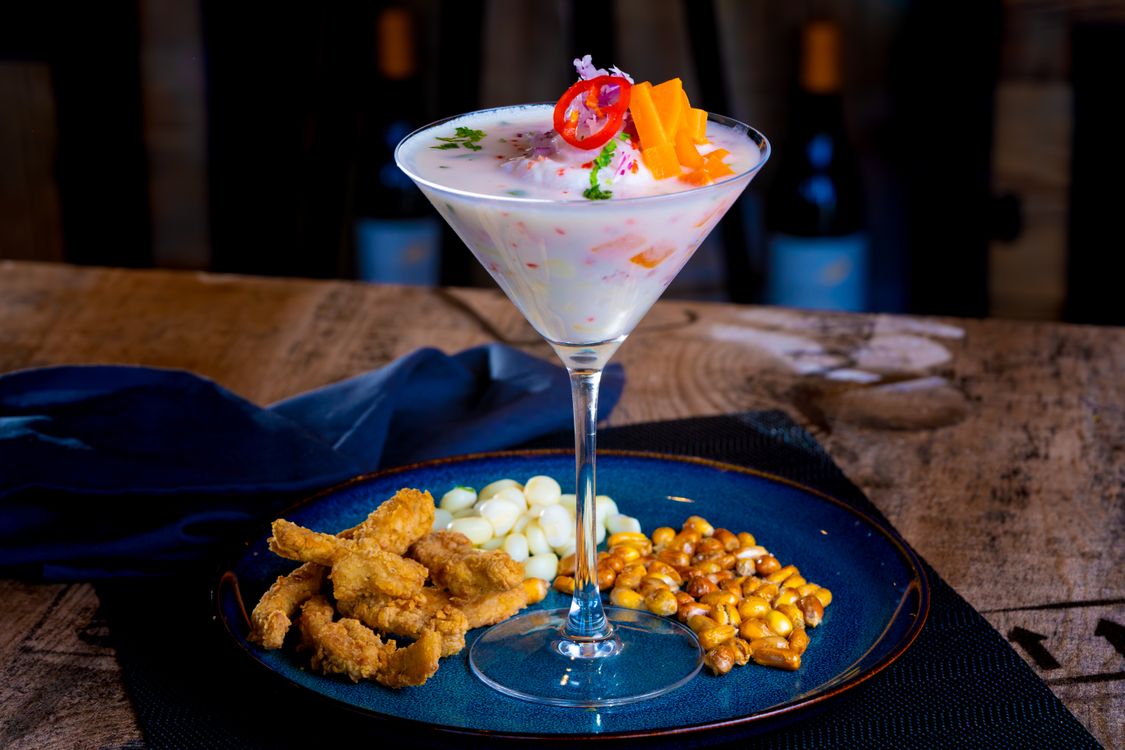
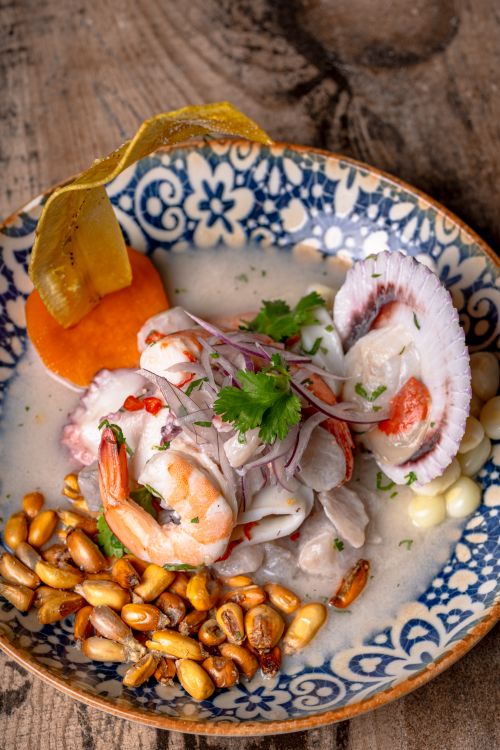
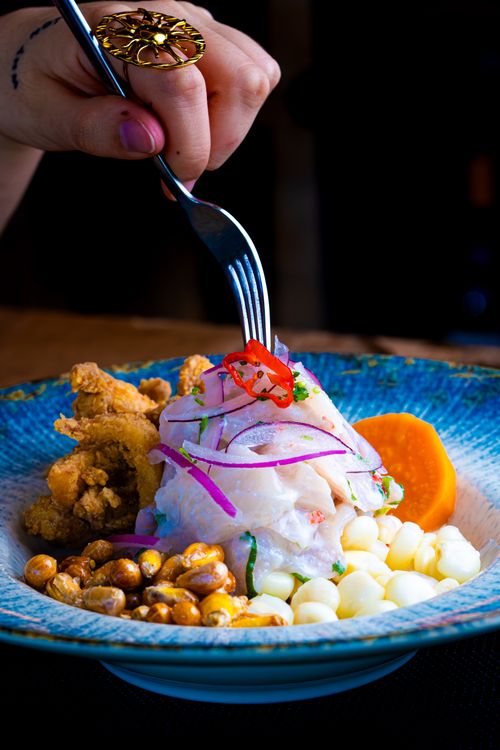
Three dishes anchor any first visit: ceviche, lomo saltado and anticuchos. Ceviche is raw fish cured in lime juice with onion, chilli and salt, usually served with sweet potato and corn. It is a lunch dish by custom, eaten when the morning catch is at its best, and most Limeños will tell you to avoid it late at night.
Lomo saltado is the classic example of Peru's Chinese-influenced "chifa" cooking. Strips of beef are stir-fried with onion, tomato and soy sauce, then served with both french fries and rice, a double starch that surprises first-timers. Anticuchos are grilled skewers, most famously marinated beef heart, sold from smoky street carts after dark for a few soles each.
Beyond the big three, look for causa, a chilled potato terrine layered with avocado and chicken or tuna, and aji de gallina, a creamy chilli-and-walnut chicken stew. If you want a structured introduction to the regional dishes behind these city staples, Perutrippers builds food-focused days into its guided Peru itineraries.
Where should you eat in Miraflores and Barranco?
Miraflores and Barranco hold the densest and most varied dining in the city, and they sit next to each other along the coast. Miraflores is the safe, walkable base for most visitors, with cliff-top parks, a seafront promenade and restaurants at every price point. It is where you will find polished cevicherias and reliable mid-range kitchens within a short walk of most hotels.
Barranco, just to the south, is the bohemian neighbourhood: street art, old mansions, cocktail bars and a younger crowd of chefs and bakers. Dinner here tends to be more experimental and more casual than in Miraflores, and the walk between the two along the coast is pleasant in the evening.
A simple plan works well: ceviche lunch in Miraflores, an afternoon walk south, drinks and small plates in Barranco. Both neighbourhoods are compact enough to explore on foot, which matters when you want to graze across several spots in one evening.
Where do you find traditional markets and street food?
Markets are the cheapest and most honest way to taste Lima. Surquillo Market, a short walk from Miraflores, is the standard recommendation: stalls piled with Andean potatoes, Amazonian fruit, dozens of chilli varieties and fish counters where cevicherias buy their catch. Many food tours start here because it explains the ingredients before you eat the dishes.
For street food, follow the crowds after dark. Anticucho carts fire up in the evening, and emoliente vendors sell warm herbal drinks on street corners. Picarones, pumpkin-and-sweet-potato doughnut rings drizzled with cane syrup, are the classic sweet to finish on.
A few practical rules keep street eating enjoyable. Pick stalls with a steady line of local customers, watch food being cooked to order over a hot grill, and stick to bottled or freshly squeezed drinks. Bring small cash in soles, since carts rarely take cards.
Why is Lima's fine-dining scene world-ranked?
Lima now holds one of the strongest fine-dining reputations on the planet. In 2025, Maido in Lima was named the number one restaurant on The World's 50 Best Restaurants list, climbing from fifth place the year before (The World's 50 Best Restaurants, 2025). Maido serves "Nikkei" cuisine, the fusion of Japanese technique with Peruvian ingredients that migration to Peru produced over the past century.
Maido is not alone. Several other Lima kitchens, including Kjolle and the Amazon-focused menus built from jungle produce, appear on global lists year after year. That concentration of talent in one city is unusual, and it is a large part of why Peru keeps winning recognition as a top culinary destination.
For most travellers the takeaway is practical: these restaurants are reachable, but you must book early. Tasting menus at the top addresses sell out weeks ahead, and prices run well above a typical Lima meal. Treat one tasting dinner as a planned highlight rather than a spontaneous stop.
What food tour tips help first-time visitors?
A good food tour front-loads the learning so the rest of your trip eats better. Book a morning market-and-tasting walk early in your stay, ideally on day one or two, so you arrive at later meals already knowing causa from ceviche. Guides also steer you past the tourist-trap cevicherias that sit on the main plazas.
Time your eating to local rhythm. Save ceviche for lunch, treat dinner as the slower meal, and leave room for street snacks in between. Pace yourself across stalls rather than filling up at the first one, and carry small cash for carts and markets.
If you are combining Lima with the Andes, plan your stomach around altitude. Rich food sits heavily when you first reach Cusco, so our guide on how to acclimatize to altitude before Machu Picchu is worth reading before you travel inland. Perutrippers can fold a guided Lima food day into a wider Peru package so the capital gets proper eating time instead of a rushed overnight.
Start by locking in one tasting-menu reservation and one morning market tour for your first days in Lima, then build the rest of your meals around ceviche lunches and street-food evenings. If Machu Picchu is on the same trip, pair this food plan with our Machu Picchu tour packages guide to see how the capital fits into a full Peru itinerary.
Frequently asked questions
What should I eat first in Lima?
Order ceviche at lunch, when the fish is freshest. Follow it with lomo saltado and a skewer of anticuchos from an evening street vendor to cover Lima's three signature dishes in a single day.
Is street food in Lima safe for tourists?
Busy stalls with high turnover are generally safe. Choose vendors with a long line of local customers, food cooked to order over a hot grill, and bottled or fresh-squeezed drinks.
Do I need a reservation for Lima's top restaurants?
Yes. Tasting-menu restaurants such as Maido and Central often book out weeks ahead, so reserve before you arrive in Peru rather than hoping for a walk-in table.
Which Lima neighborhood is best for food?
Miraflores suits first-time visitors with its walkable streets and seafront. Barranco, just south, leans more creative and casual, with bars, bakeries and younger chefs.