Best Time to Visit Peru: Season-by-Season Guide

The best time to visit Peru is the dry season, roughly May through September, when the Andes deliver clear skies and firm trails for Machu Picchu, Cusco and the Inca Trail. If your trip centers on coastal Lima or the Amazon, the calendar shifts, which is why a single "perfect month" rarely fits every traveler. This guide breaks Peru down region by region so you can match your dates to your interests.
Peru packs three very different climates into one country: high Andes, dry Pacific coast and humid rainforest. A sunny week in Cusco can line up with grey fog in Lima and steamy afternoons in the jungle. Picking dates means deciding which of those worlds matters most for your trip.
Dry Season vs Rainy Season: The Best Time to Visit Peru
For the Andean highlands, where most visitors spend their time, the year splits cleanly into a dry season and a wet season. In Cusco, the dry stretch runs from late March to mid November, while the wet months fill the gap from November to March (Weather Spark). Those dry months are the ones travelers mean when they ask about the best time to visit Peru.
The difference in rainfall is dramatic. Cusco's wettest month is January, with an average rainfall of 4.2 inches, while July, the driest month, sees just 0.1 inches (Weather Spark). Dry season days bring bright sun and cold nights. Wet season days often start clear, then cloud over with heavy afternoon showers.
Neither season is strictly bad. The dry months give you dependable skies for trekking and photos. The green wet months bring lush landscapes, fewer tourists and lower prices, with the trade off of mud and the odd washed out view.
Peru Weather Seasons by Region
Peru weather seasons do not move in step across the country. Because the coast, mountains and jungle each follow their own pattern, the same calendar month can mean sun, fog or rain depending on where you stand. Here is how the main destinations behave.
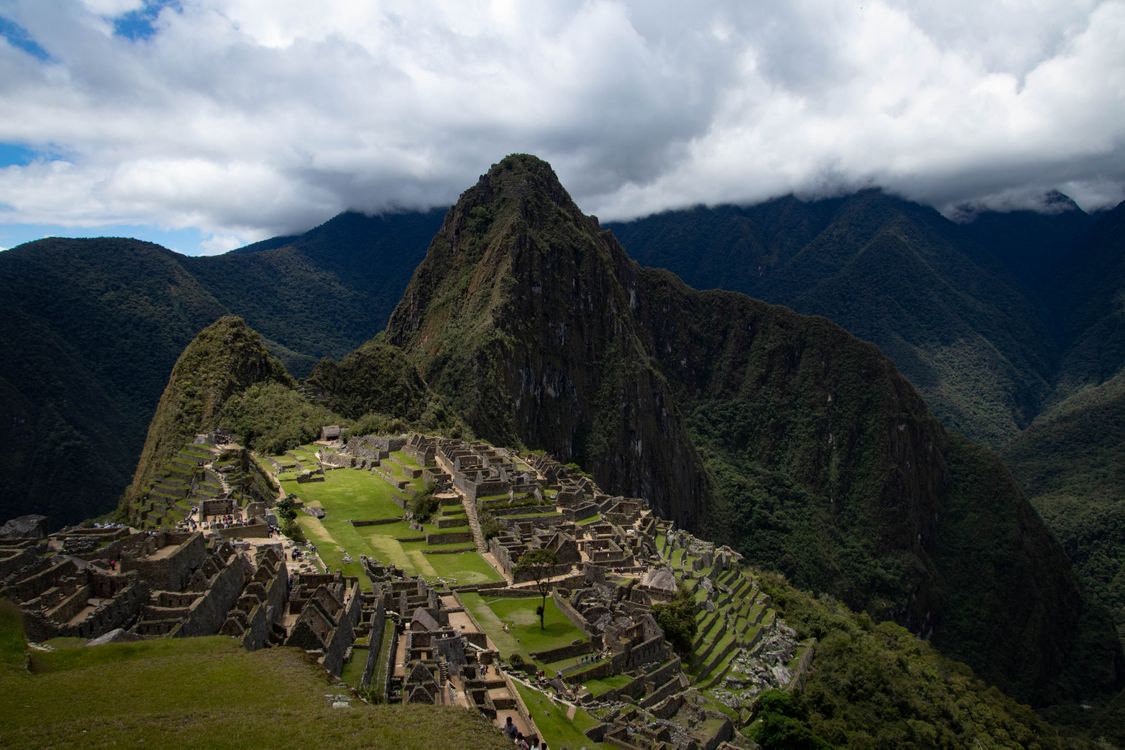
Cusco and the Sacred Valley
Cusco sits high in the Andes at over 3,300 meters, so nights are chilly year round. Expect crisp, sunny dry season days from May to September and wetter, milder conditions from November to March. The thin air matters as much as the rain, which is why planning a buffer to adjust is smart. Our guide on how to acclimatize to altitude before Machu Picchu walks through the timing.
Lima
Lima runs on an opposite rhythm. The capital turns cool, damp and grey under coastal fog, locally called the garua, from about June to November. Warm, bright beach weather arrives December through April. Rain is rare in any season, so Lima works as a year round stop, though sun seekers prefer the southern summer.
Arequipa
Arequipa, the white city in the south, enjoys some of Peru's most agreeable weather. It stays sunny and dry for much of the year, with a short wetter spell from January to March. Clear skies and mild daytime temperatures make it a comfortable base for Colca Canyon trips during the dry months.
The Amazon
The Peruvian Amazon stays hot and humid all year, with no true dry season. The drier window of May to October makes jungle trails easier and wildlife easier to spot. The wetter November to April period raises river levels, which opens up boat routes into flooded forest that are otherwise unreachable.
Best Months for Machu Picchu and the Inca Trail
The best months for Machu Picchu and the Inca Trail fall squarely in the dry season, from May to September, when clear mornings reward the long climb and trails stay firm underfoot. These are also the busiest months, so securing entries and permits early is essential.
One date is fixed on the calendar: the Classic Inca Trail closes every February for maintenance and cleaning, reopening in March. If a multi day trek to the Sun Gate is your dream, plan for any month except February. Alternative routes such as the Salkantay trek stay open during that window.
Daily entry to Machu Picchu is capped, and permits for the Inca Trail are strictly limited and released months in advance. In peak season they routinely sell out, sometimes half a year ahead. Booking early is the single most important step for a dry season visit. If you have only a short window, our look at whether a Machu Picchu day trip is enough helps you decide how many days to budget.
The shoulder months of April and October deserve a mention. You still get mostly dry weather, greener scenery and noticeably thinner queues at the citadel.
Shoulder Season Advantages for Crowds and Prices
Shoulder season, roughly April to early May and late September into October, offers the strongest balance of good weather, smaller crowds and friendlier prices. These months sit on the edges of the dry season, so you keep most of the sunshine while dodging the peak rush.
Why does this matter beyond comfort? Peak months concentrate visitors at Machu Picchu, push hotel rates up and fill the best trek permits first. Travel in the shoulder weeks and you face shorter lines, more room on trains and often lower rates on lodging and tours.
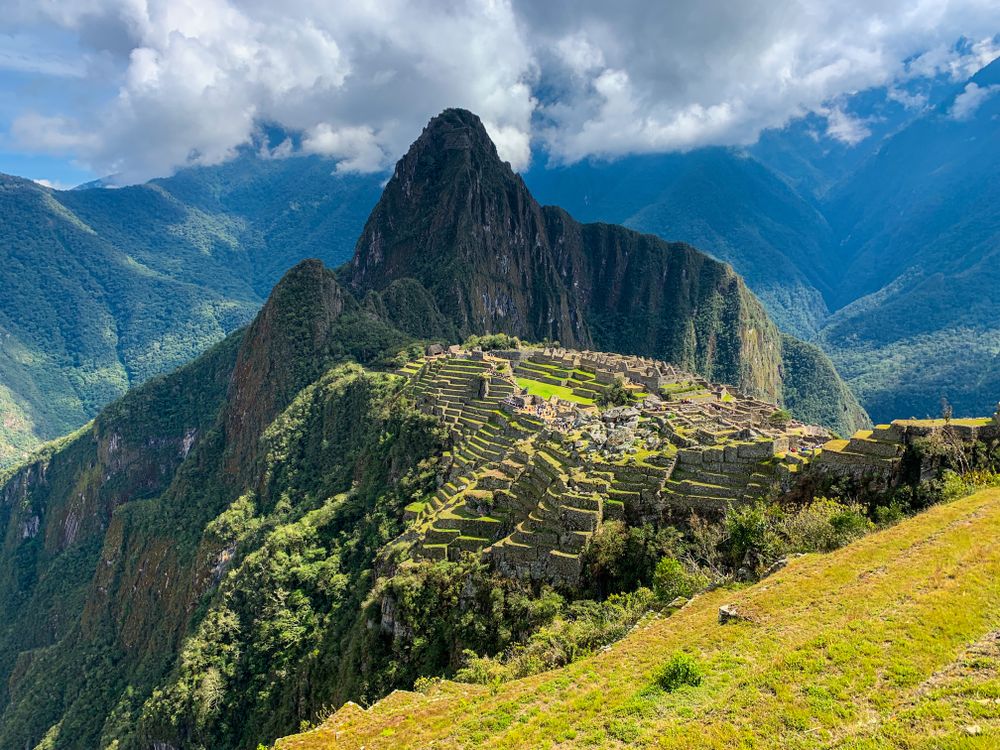
The green wet season, from November to March, pushes value even further. Rates drop, sites feel quiet and the landscape turns vivid green. The cost is real: afternoon rain, the chance of a cloud covered Machu Picchu and muddier trails. For budget minded travelers who can stay flexible, that trade is often worth it.
How to Pick Dates Around Festivals and Your Interests
Choosing dates comes down to matching Peru's seasons to what you most want from the trip, then checking the festival calendar for anything that should pull you toward a specific week. Peru's events can turn a good trip into a memorable one.
The headline event is Inti Raymi, the Festival of the Sun, held in Cusco every June 24. It falls in high dry season, so the city is lively and the weather reliable, but accommodation books out fast around the date. Other draws include Semana Santa around Easter and vibrant regional celebrations throughout the year.
Let your priorities steer the final call:
- Trekking and clear photos: aim for May, June, September or October.
- Fewer crowds and better value: target the shoulder weeks of April and late September, or the green season for deeper savings.
- Festivals and atmosphere: plan around Inti Raymi in late June or Easter week.
- Food and city time in Lima: the warm December to April window pairs well with coastal dining and long days on the capital's beaches and plazas.
Peru rewards travelers who plan around their own interests rather than a one size fits all "best month." Decide whether clear mountain skies, thin crowds or a specific festival matters most, then lock in your flights and reserve Machu Picchu entries or Inca Trail permits as early as you can, since the best dates fill up fastest. Peru Trippers can help you build an itinerary around the exact season and experiences you choose.
Frequently asked questions
What is the overall best time to visit Peru?
May to September is the best overall window. These dry season months bring clear skies to Cusco, the Sacred Valley and Machu Picchu, which makes trekking, train rides and photography far more reliable.
Is the Inca Trail open all year?
No. The Classic Inca Trail closes every February for maintenance and cleaning. It is open the rest of the year, though permits sell out months ahead for the busy June to August season.
When is the rainy season in Peru's highlands?
The highland wet season runs roughly November through March. In Cusco, January is the wettest month with about 4.2 inches of average rainfall, so expect afternoon downpours and muddy trails.
What is the best time to visit the Peruvian Amazon?
The drier months of May to October are easier for jungle hikes and wildlife spotting. The wetter November to April period raises river levels, which is better for boat access to flooded forest.
Does Lima have the same seasons as Cusco?
No. Lima sits on the coast and feels backwards from the Andes. Its grey, foggy season runs June to November, while warm, sunny weather arrives December to April.